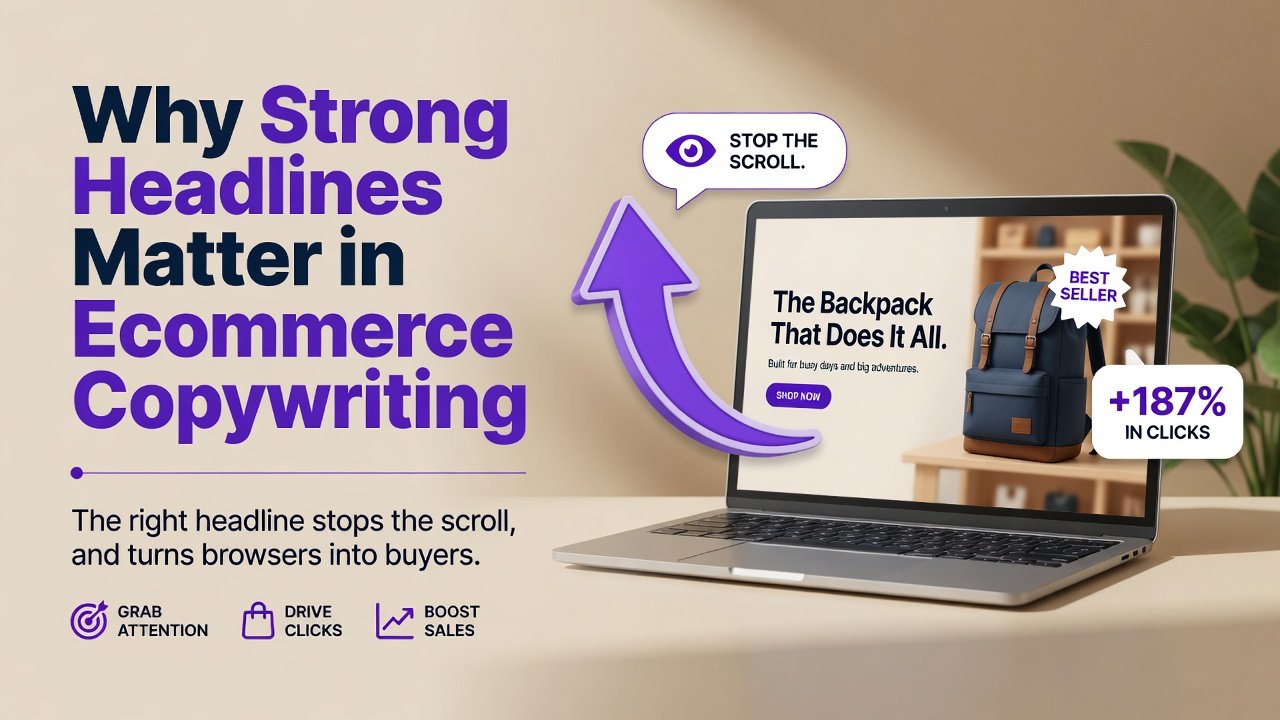
In the fast-paced world of ecommerce, grabbing a shopper’s attention is more challenging than ever. With countless brands vying for clicks and conversions, the headline is often the first—and sometimes only—chance to make an impression. A compelling headline can spark curiosity, convey value, and guide potential customers deeper into your site. On the other hand, a weak or generic headline risks being ignored, no matter how great the product or offer. Understanding the power of strong headlines is essential for any ecommerce business aiming to stand out and drive sales in a crowded digital marketplace.
What to Expect from Effective Headlines
The Role of Headlines in Ecommerce Success
Headlines serve as the gateway to your ecommerce content, setting the tone for the entire shopping experience. When a visitor lands on your product page, category listing, or promotional banner, the headline is the first element they notice. It must immediately communicate relevance and value, or risk losing the shopper’s interest within seconds. In ecommerce, where attention spans are short and competition is fierce, a headline’s ability to quickly engage is crucial. Strong headlines not only attract attention but also build trust, signaling to customers that your brand understands their needs and can deliver solutions. This initial connection can be the difference between a bounce and a conversion, making headline strategy a foundational aspect of ecommerce copywriting.
How Headlines Influence Buyer Behavior
The psychology behind headlines is rooted in their ability to evoke emotion and prompt action. A well-crafted headline taps into the desires, fears, or aspirations of your target audience, compelling them to read further or take the next step. In ecommerce, this might mean clicking on a product, exploring a category, or signing up for a limited-time offer. Headlines that highlight benefits, create urgency, or offer solutions are more likely to convert casual browsers into committed buyers. For those seeking guidance on how to write headlines with GrowthZacks, understanding these psychological triggers is essential. By aligning your headlines with what matters most to your customers, you can influence their decision-making process and drive measurable results.
Crafting Headlines That Convert
Creating headlines that convert requires a blend of creativity, clarity, and strategic thinking. The most effective ecommerce headlines are concise yet impactful, delivering a clear message without overwhelming the reader. They often incorporate power words, address pain points, or present a unique selling proposition that differentiates your brand from competitors. Testing different headline variations can reveal what resonates best with your audience, allowing you to refine your approach over time. Additionally, integrating keywords naturally into your headlines can improve search visibility, attracting more qualified traffic to your site. Ultimately, the goal is to craft headlines that not only capture attention but also motivate action, turning interest into engagement and engagement into sales.
The Impact of Headlines on SEO
Headlines play a significant role in search engine optimization for ecommerce sites. Search engines use headlines to understand the content and relevance of your pages, which can influence your rankings in search results. Including relevant keywords in your headlines helps search engines match your pages with user queries, increasing the likelihood of attracting organic traffic. However, it’s important to balance keyword usage with readability and appeal. Overloading headlines with keywords can make them awkward or spammy, deterring potential customers. Instead, focus on creating headlines that are both search-friendly and compelling to human readers. This dual approach ensures that your ecommerce site is discoverable while also engaging visitors once they arrive.
Headlines and Brand Perception
A headline does more than just inform; it shapes how customers perceive your brand. Consistent, well-crafted headlines convey professionalism and reliability, while sloppy or generic headlines can undermine trust. In ecommerce, where customers cannot physically interact with products before purchasing, the words you choose carry extra weight. Headlines that reflect your brand’s voice and values help establish a connection with your audience, fostering loyalty and repeat business. Whether you aim for playful, authoritative, or luxurious, your headlines should consistently reinforce your brand identity. Over time, this consistency builds recognition and sets your store apart in a crowded market.
Quick Tips for Headline Improvement
Improving your ecommerce headlines doesn’t require a complete overhaul. Start by analyzing your current headlines to identify which ones drive the most engagement. Experiment with different wording, lengths, and emotional triggers to see what resonates with your audience. Small changes, such as adding a sense of urgency or highlighting a key benefit, can make a noticeable difference in performance. Regularly reviewing and updating your headlines ensures they remain relevant and effective as trends and customer preferences evolve.
Conclusion
Strong headlines are a cornerstone of successful ecommerce copywriting, serving as the first point of contact between your brand and potential customers. They have the power to attract attention, influence behavior, and shape perceptions, all while supporting your broader marketing and SEO goals. By investing time and effort into crafting headlines that resonate with your audience, you can increase engagement, build trust, and drive more sales. In a competitive online landscape, the right headline can be the deciding factor that turns a casual visitor into a loyal customer, making it an essential element of any ecommerce strategy.
About the Author