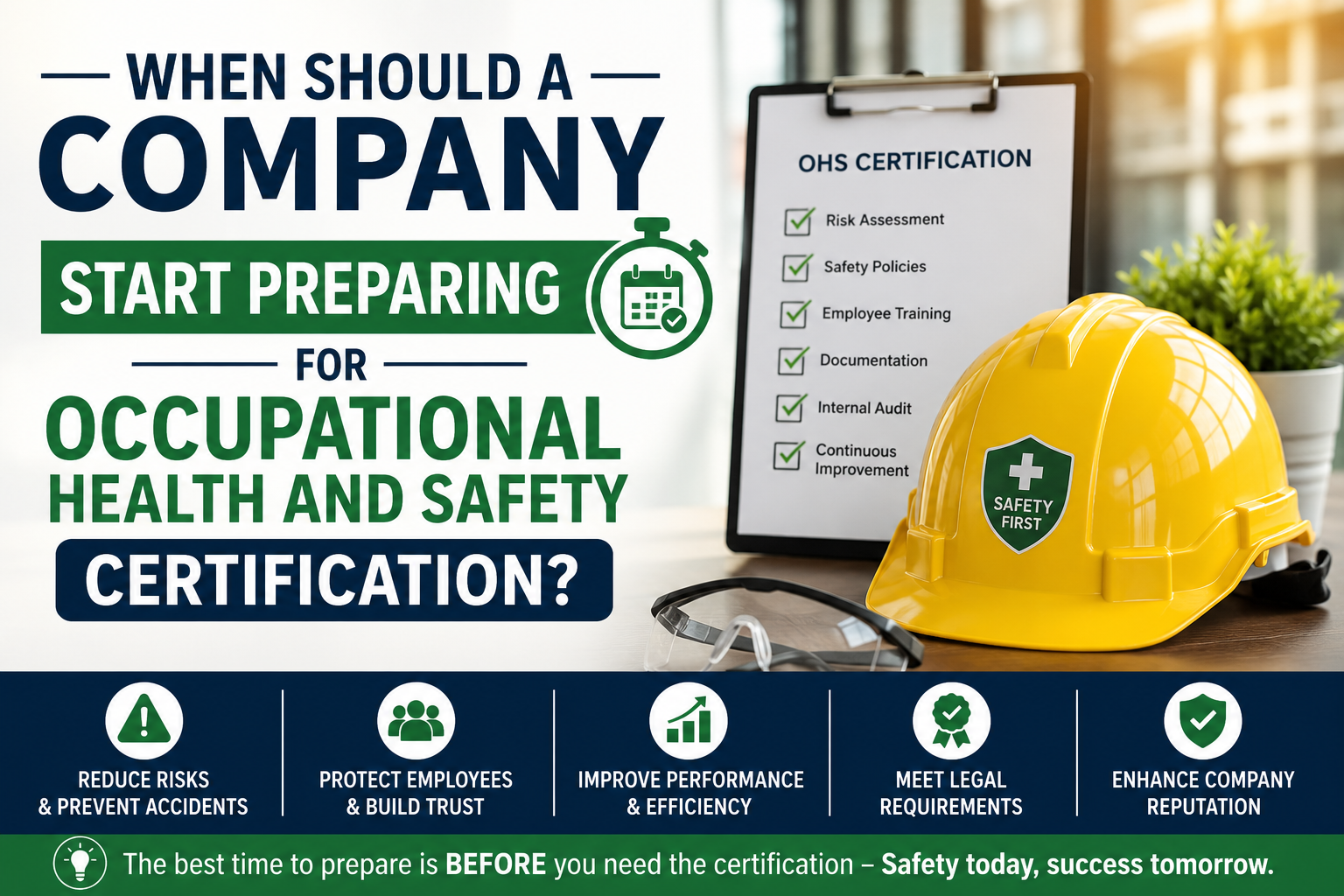
Occupational health and safety certification is a significant milestone for any organization aiming to demonstrate its commitment to employee well-being and regulatory compliance. Achieving certification requires careful planning, resource allocation, and a thorough understanding of both internal processes and external requirements. Companies often wonder about the optimal time to begin preparing for this important step, as starting too early or too late can impact the effectiveness and efficiency of the process. Understanding the right timing can help organizations streamline their efforts, minimize disruptions, and ensure a smoother path toward certification, ultimately fostering a safer and more productive workplace.
Key considerations for preparation timing
Understanding Occupational Health and Safety Certification
Occupational health and safety certification is a formal recognition that an organization has implemented a management system designed to control risks and ensure the safety and health of its workforce. This certification is not just about compliance with legal requirements; it also demonstrates a proactive approach to identifying hazards, assessing risks, and implementing effective controls. The process involves a comprehensive review of existing policies, procedures, and practices, as well as the development of new strategies to address gaps. Companies must also engage employees at all levels, fostering a culture of safety that extends beyond documentation and audits. The journey toward certification can be complex, requiring a clear understanding of the standards involved and a commitment to continuous improvement. Organizations that approach this process with a strategic mindset are better positioned to achieve and maintain certification, benefiting from reduced incidents, improved morale, and enhanced reputation.
When to Begin the Preparation Process
Determining the right time to start preparing for occupational health and safety certification depends on several factors unique to each organization. Companies should consider their current level of compliance, the maturity of their existing safety management systems, and the resources available for implementation. For organizations with well-established safety practices, the transition to certification may be more straightforward, allowing for a shorter preparation period. However, companies starting from scratch or with limited safety infrastructure may require more time to develop and implement the necessary processes. It is generally advisable to begin preparation as soon as the decision to pursue certification is made, allowing ample time for gap analysis, staff training, and system improvements. Early preparation also provides the opportunity to address unforeseen challenges and ensure that all stakeholders are fully engaged in the process. By starting early, organizations can avoid the pitfalls of rushed implementation and set the stage for long-term success.
Integrating ISO Standards into Company Culture
A critical aspect of preparing for occupational health and safety certification is the integration of relevant standards into the company’s culture and daily operations. This goes beyond simply meeting the requirements on paper; it involves embedding safety principles into every aspect of the organization. For many companies, this means aligning their policies and procedures with internationally recognized frameworks such as iso 45001 certification, which provides a structured approach to managing occupational health and safety risks. Successful integration requires leadership commitment, clear communication, and ongoing employee involvement. Training programs, regular audits, and open channels for feedback are essential components of this process. By making safety a core value, organizations can foster a sense of shared responsibility and accountability, leading to more effective risk management and a safer work environment. The benefits of this approach extend beyond certification, contributing to improved productivity, reduced absenteeism, and enhanced organizational resilience.
The Role of Leadership in Preparation
Leadership plays a pivotal role in the successful preparation for occupational health and safety certification. Senior management must demonstrate a visible commitment to safety, setting the tone for the entire organization. This involves allocating sufficient resources, establishing clear objectives, and actively participating in the development and implementation of safety initiatives. Leaders are responsible for ensuring that safety is prioritized alongside other business objectives, and that employees at all levels understand their roles and responsibilities. Effective leadership also means fostering a culture of transparency and continuous improvement, where employees feel empowered to report hazards and suggest improvements. By leading by example, management can inspire confidence and engagement throughout the organization, making the certification process more efficient and effective. The involvement of leadership is often a key differentiator between organizations that achieve certification smoothly and those that encounter obstacles along the way.
Benefits of Early Preparation
Starting the preparation process early offers several advantages for organizations seeking occupational health and safety certification. Early action allows for a thorough assessment of existing systems, identification of gaps, and the development of targeted improvement plans. It also provides time for comprehensive employee training, ensuring that everyone understands the new requirements and their role in maintaining compliance. Early preparation reduces the risk of last-minute challenges and helps organizations build a strong foundation for ongoing safety management. This proactive approach can lead to better audit outcomes, fewer non-conformities, and a smoother certification process overall. Additionally, organizations that prioritize early preparation are better equipped to adapt to changes in regulations or industry standards, maintaining their competitive edge and reputation for safety.
Common Challenges During Preparation
Organizations often encounter several challenges when preparing for occupational health and safety certification. One common issue is underestimating the time and resources required to implement new systems and processes. Companies may also struggle with employee resistance to change, particularly if safety has not been a central focus in the past. Ensuring consistent communication and engagement across all levels of the organization can be difficult, especially in larger or more complex operations. Another challenge is maintaining momentum and focus throughout the preparation period, as competing business priorities can divert attention from safety initiatives. Addressing these challenges requires careful planning, strong leadership, and a commitment to ongoing improvement. By anticipating potential obstacles and developing strategies to overcome them, organizations can navigate the preparation process more effectively and achieve their certification goals.
Preparation Timeline: A Brief Overview
The timeline for preparing for occupational health and safety certification can vary widely depending on the size and complexity of the organization. For some, the process may take several months, while others may require a year or more to fully implement the necessary changes. Key milestones typically include conducting a gap analysis, developing and updating policies, training employees, and performing internal audits. Regular progress reviews help ensure that the organization stays on track and can address any issues promptly. Flexibility and adaptability are important, as unexpected challenges may arise during the preparation process.
Conclusion
Preparing for occupational health and safety certification is a significant undertaking that requires careful planning, strong leadership, and a commitment to continuous improvement. The optimal time to begin preparation depends on the organization’s current safety culture, resources, and readiness for change. Early and proactive preparation allows companies to identify and address gaps, engage employees, and integrate safety into daily operations. By fostering a culture of safety and prioritizing the well-being of employees, organizations can not only achieve certification but also realize long-term benefits such as reduced incidents, improved morale, and enhanced reputation. Ultimately, the decision to pursue certification should be accompanied by a clear strategy and a genuine commitment to creating a safer workplace for all.
About the Author