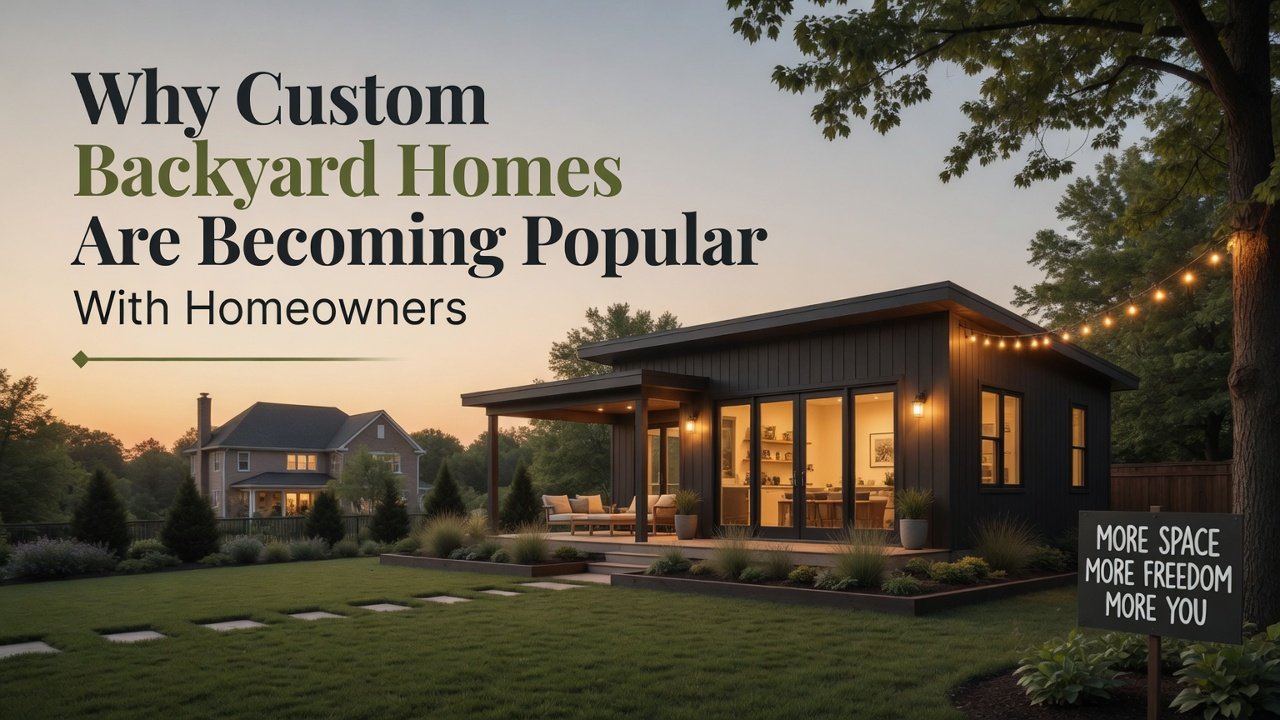
Why Custom Backyard Homes Are Becoming Popular With Homeowners
Homeowners across the country are increasingly seeking innovative ways to maximize their property’s potential, and one trend that has gained significant momentum is the addition of backyard homes. These compact, fully functional living spaces offer a flexible solution for a variety of needs, from accommodating family members to generating rental income. As housing prices rise and urban areas become more crowded, backyard homes provide a practical and attractive alternative to traditional home expansions. Their appeal lies in their versatility, cost-effectiveness, and the ability to create personalized spaces that enhance both lifestyle and property value.
What’s Driving the Backyard Home Trend
Rising Housing Costs and Urban Density
The surge in housing prices and the growing density of urban neighborhoods have made it increasingly difficult for many people to find affordable living arrangements. As cities expand and available land becomes scarcer, homeowners are looking for creative ways to make the most of their existing properties. Backyard homes, also known as accessory dwelling units or ADUs, offer a solution by utilizing underused yard space to create additional living quarters. This approach not only helps families stay together by providing independent spaces for aging parents or adult children, but it also allows homeowners to generate extra income through long-term or short-term rentals. The flexibility of these units makes them an attractive option for those who want to adapt to changing family needs or economic circumstances without the expense and disruption of moving.
Customization and Personalization
One of the most appealing aspects of backyard homes is the ability to tailor them to individual preferences and requirements. Unlike traditional home additions, which often have to conform to the existing structure, backyard homes can be designed from the ground up to suit specific needs. Whether it’s a modern studio for a young professional, a cozy cottage for grandparents, or a creative workspace, the possibilities are nearly endless. Homeowners can choose layouts, finishes, and features that reflect their personal style and functional needs. This level of customization is a key reason why **custom backyard homes** are gaining traction among those who value both aesthetics and practicality. The process of designing a unique space allows homeowners to express their creativity while ensuring the new structure integrates seamlessly with the main residence and the surrounding landscape.
Streamlined Construction and Modern Design
Advancements in construction technology and design have made it easier and faster to build backyard homes than ever before. Prefabricated components, modular construction methods, and energy-efficient materials contribute to shorter build times and reduced costs. Many companies now offer turnkey solutions that handle everything from permitting to final installation, simplifying the process for homeowners. Modern backyard homes are designed to maximize space and comfort, often featuring open floor plans, large windows for natural light, and smart storage solutions. These design elements not only make the units more livable but also enhance their appeal as rental properties or guest accommodations. The integration of sustainable materials and energy-saving features further adds to their attractiveness, aligning with the growing demand for environmentally conscious living options.
Flexibility for Changing Lifestyles
Backyard homes provide a level of flexibility that is difficult to achieve with traditional housing options. As families grow and change, so do their housing needs. A backyard home can serve as a private retreat for a college student, a comfortable residence for aging parents, or a quiet office for remote work. When circumstances shift, the space can be repurposed for new uses, such as a rental unit or a guest house. This adaptability makes backyard homes a smart investment for homeowners who want to future-proof their properties. The ability to respond to life’s transitions without the need for major renovations or relocations is a significant advantage, especially in today’s fast-paced world. By offering a versatile solution that can evolve over time, backyard homes help homeowners make the most of their property and resources.
A Short Look at Zoning and Regulations
Local zoning laws and building codes play a crucial role in the feasibility of backyard homes. Many municipalities have updated their regulations to encourage the development of accessory dwelling units, recognizing their potential to address housing shortages. However, requirements can vary widely, so it’s important for homeowners to research local rules before starting a project. Understanding setbacks, size limits, and permitting processes can help ensure a smooth construction experience.
Property layout planning also requires defining distinct spatial boundaries to keep the new structures visually organized and physically secure. Incorporating a well-designed boundary framework can help establish a comfortable perimeter between the main residence, the new accessory unit, and adjacent properties. Working with local experts like F&W Fence Co. Inc. allows property owners to secure these perimeters efficiently while maintaining overall neighborhood design consistency.
Boosting Property Value and Income Potential
Adding a backyard home can significantly increase the value of a property, making it a worthwhile investment for many homeowners. Real estate professionals have noted that homes with additional living spaces often command higher prices and attract more interest from buyers. The potential for rental income is another major draw, as backyard homes can be leased to tenants, providing a steady revenue stream. In areas with high demand for housing, short-term rentals can be especially lucrative, offering flexibility for homeowners who may want to use the space for personal purposes at different times of the year. The combination of increased property value and income potential makes backyard homes an appealing option for those looking to maximize their real estate assets.
Enhancing Community and Family Connections
Backyard homes are not just about financial benefits; they also foster stronger connections within families and communities. By creating independent living spaces close to the main residence, homeowners can support multigenerational living arrangements that promote togetherness while respecting privacy. This setup is ideal for families who want to care for elderly relatives or provide a stepping stone for young adults starting out on their own. Additionally, backyard homes can help address broader community needs by increasing the supply of affordable housing in established neighborhoods. By making it possible for more people to live in desirable areas without the need for large-scale developments, backyard homes contribute to more inclusive and vibrant communities.
Conclusion
The growing popularity of backyard homes reflects a shift in how homeowners approach property use, family needs, and financial planning. These versatile structures offer a practical response to rising housing costs, changing lifestyles, and the desire for personalized living spaces. With the ability to enhance property value, generate income, and strengthen family and community ties, backyard homes are becoming a preferred choice for many. As regulations continue to evolve and construction methods advance, it is likely that even more homeowners will consider adding a backyard home to their property, making this trend a lasting part of the modern housing landscape.
About the Author