Signature: bbf9yC37Wo/5ShvGPmx0gXLRAr/T1fWJAkZ+oSXtQsA9OcK9oMICf9dVf2GX1nBfK9RaSUeXNA6BJ9f3e9yGslbStzTgW2MUzn5dH6GCAarYiYYq/fAU5nUV+fcqlqpLhcv9Z5Z5GvxLNCsV0dLBhEwz8Exnd6hnx5QwCKWu3OSdvtgd0Nyl2iT40V2EEUmgOBhet6557cfUvyTHXH9Mdwas5P1N6gHHZ+25VET/Abxt6GlmqphAk+67T2qDIb01MBwd1JOaed9y4XCQ7cRAzw==
Your heating, ventilation, and air conditioning system is essential for maintaining comfort and air quality in your home or business. Knowing when to reach out for professional service can prevent minor issues from becoming major problems, save you money on energy bills, and extend the life of your equipment. Many people wait until their HVAC system breaks down completely before seeking help, but there are several warning signs and situations where timely intervention can make a significant difference. Understanding these moments ensures your system runs efficiently and keeps your indoor environment comfortable year-round.
Key signs and situations to watch for
Unusual Noises and Odors from Your HVAC System
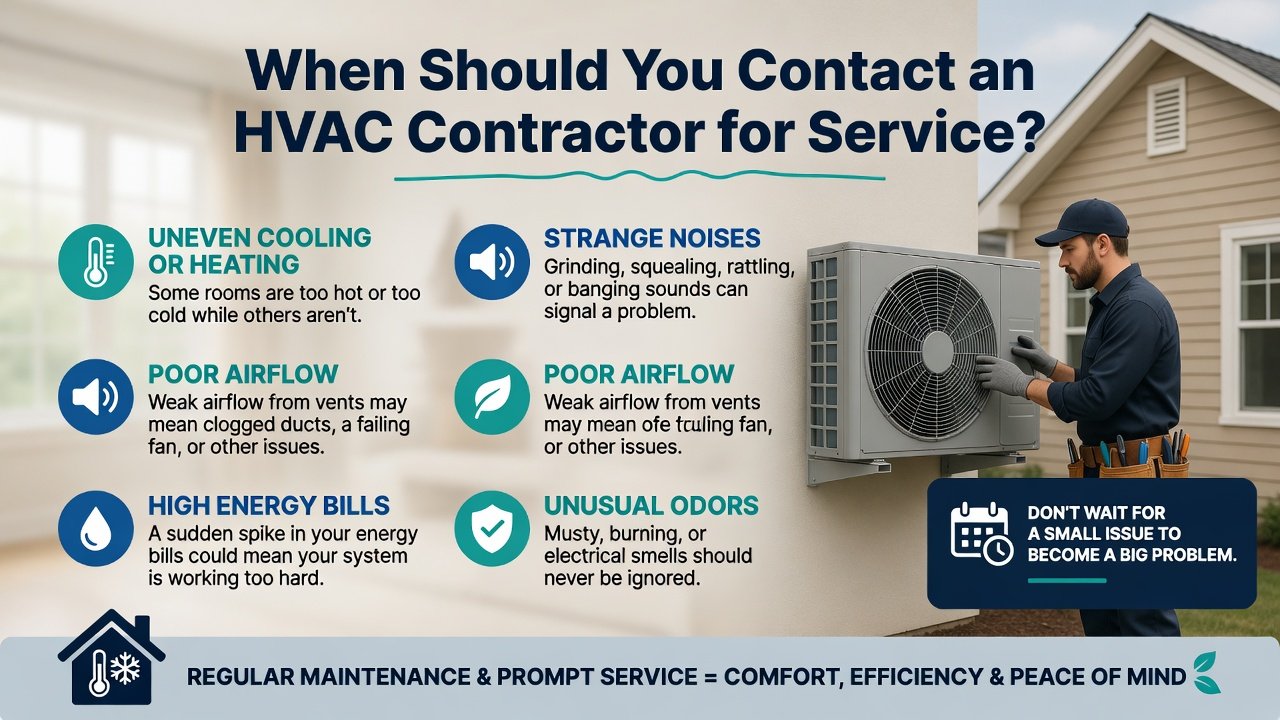
One of the earliest indicators that your HVAC system may need attention is the presence of unusual noises or strange odors. While some sounds, like a gentle hum, are normal, loud banging, clanking, or screeching noises can signal mechanical issues or loose components. Persistent rattling might indicate debris in the system or a failing motor. Similarly, musty or burning smells coming from your vents should never be ignored. These odors could point to mold growth, electrical problems, or overheating components. Addressing these issues promptly can prevent further damage and ensure your system operates safely. Ignoring these warning signs can lead to more extensive repairs and even pose health risks due to poor air quality or potential fire hazards. If you notice any of these symptoms, it is wise to schedule a professional inspection as soon as possible to diagnose and resolve the underlying problem before it escalates.
Inconsistent Temperatures and Poor Airflow
Another common sign that your HVAC system requires attention is inconsistent temperatures throughout your home or business. If you find that some rooms are much warmer or cooler than others, or if the airflow from your vents seems weak, your system may be struggling to distribute air effectively. This can be caused by clogged filters, blocked ducts, or failing components within the unit itself. Over time, these issues can strain your system, leading to higher energy consumption and reduced comfort. It is important to address these problems early to avoid more costly repairs down the line. If you are experiencing these symptoms, it may be time to get in touch with a professional who can assess your system and recommend the appropriate solutions to restore balanced temperatures and efficient airflow throughout your space.
Rising Energy Bills and Reduced Efficiency
A sudden increase in your energy bills without a corresponding change in usage patterns is often a red flag that your HVAC system is not operating efficiently. As systems age or develop problems, they must work harder to maintain the desired temperature, consuming more energy in the process. Dirty filters, worn-out parts, or refrigerant leaks can all contribute to reduced efficiency. Regular maintenance and timely repairs can help keep your system running smoothly and your energy costs under control. If you notice your bills creeping up, it is a good idea to have your HVAC system inspected to identify and address any underlying issues. Taking action at the first sign of trouble can help you avoid unnecessary expenses and ensure your system continues to provide reliable comfort.
When to Schedule Preventive Maintenance
Preventive maintenance is crucial for keeping your HVAC system in top condition and avoiding unexpected breakdowns. Most manufacturers recommend scheduling maintenance at least once a year, ideally before the start of the heating or cooling season. During a maintenance visit, a technician will inspect, clean, and tune up your system, checking for any signs of wear or potential problems. This proactive approach can extend the lifespan of your equipment, improve energy efficiency, and help you avoid costly emergency repairs. Even if your system appears to be working fine, regular maintenance is an investment in long-term performance and peace of mind. By staying ahead of potential issues, you can ensure your HVAC system is ready to handle the demands of each season.
Quick Response to Emergency Situations
Sometimes, HVAC issues arise suddenly and require immediate attention. If your system stops working entirely during extreme weather, or if you detect a strong burning smell, smoke, or signs of electrical failure, it is important to act quickly. These situations can pose serious risks to your safety and comfort, and delaying service can lead to further damage or even hazardous conditions. In such cases, contacting a professional as soon as possible is the safest course of action. Emergency service providers are equipped to handle urgent repairs and can help restore your system to safe operation promptly. Do not hesitate to seek help if you believe your HVAC system is experiencing a critical failure.
The Importance of Professional Diagnosis
A professional diagnosis is essential when your HVAC system exhibits persistent problems or unusual behavior. Trained technicians have the tools and knowledge to accurately identify the root cause of issues, whether they involve electrical components, refrigerant levels, or airflow restrictions. Attempting to troubleshoot or repair complex HVAC problems on your own can lead to further damage or void your warranty. Relying on a qualified contractor ensures that repairs are performed safely and correctly, restoring your system’s performance and reliability. If you are unsure about the severity of a problem, scheduling a professional assessment is always a wise decision.
Upgrading or Replacing Your HVAC System
There comes a time when repairing your existing HVAC system is no longer cost-effective, especially if it is more than 10 to 15 years old or requires frequent repairs. Upgrading to a newer, more efficient model can provide significant benefits, including lower energy bills, improved comfort, and enhanced indoor air quality. Modern systems are designed to meet higher efficiency standards and often come with advanced features such as programmable thermostats and improved filtration. If your current system is struggling to keep up with your needs or has become unreliable, consulting with a professional about replacement options can help you make an informed decision. Investing in a new system can pay off in the long run through reduced maintenance costs and better overall performance.
Regular Filter Changes Matter
Changing your HVAC filters regularly is a simple yet vital part of system maintenance. Dirty or clogged filters restrict airflow, forcing your system to work harder and reducing its efficiency. Over time, this can lead to increased wear and tear, higher energy bills, and diminished indoor air quality. Most filters should be checked monthly and replaced every one to three months, depending on usage and the type of filter. Keeping up with this routine task helps ensure your system runs smoothly and provides clean, healthy air for your home or business.
Conclusion
Recognizing the signs that your HVAC system needs professional attention is key to maintaining comfort, safety, and efficiency in your home or business. Unusual noises, inconsistent temperatures, rising energy bills, and emergency situations all warrant prompt action to prevent further damage and costly repairs. Regular preventive maintenance and timely filter changes can help extend the life of your system and keep it running at peak performance. When in doubt, seeking a professional diagnosis or considering an upgrade can provide peace of mind and long-term savings. By staying proactive and attentive to your HVAC system’s needs, you can ensure reliable comfort and air quality throughout the year.
About the Author