Signature: FdKwngvvotEMU6LRjxLwyTz0uZ9inIwNOnctvLsY7UEYKdejNrUcy4FM1bDzmfYsG4SFbBAra8GMlB0KxGN9rO3SwGvRlsIExzrhYbj+ucC1yIRLPWYPup0o12o6LeTVPuRTYS6VD1RHe5epEOB4LSU/BuOuqZn1z+Du9vk3VC9K4gHrlnUpOxeTwJyJJUMqGuE1ukXRuzKTx18FFf4T/kKgD2l0JEUSrEDV+11TWkFv4f4u1+sWmH10OtFWRzG4fKlwCxzU6WlMZCUGGyWafA==
Installing a new air conditioning system is a significant investment that can greatly improve your home’s comfort and energy efficiency. Before you schedule an appointment, it is important to understand the various factors that can influence the process, from choosing the right unit to preparing your home for installation day. Being informed will help you avoid unexpected costs, ensure a smooth installation, and maximize the lifespan of your new system. This guide covers the essential considerations, helping you make confident decisions and get the most value from your new air conditioning system.
Key considerations before installation
Assessing Your Home’s Cooling Needs
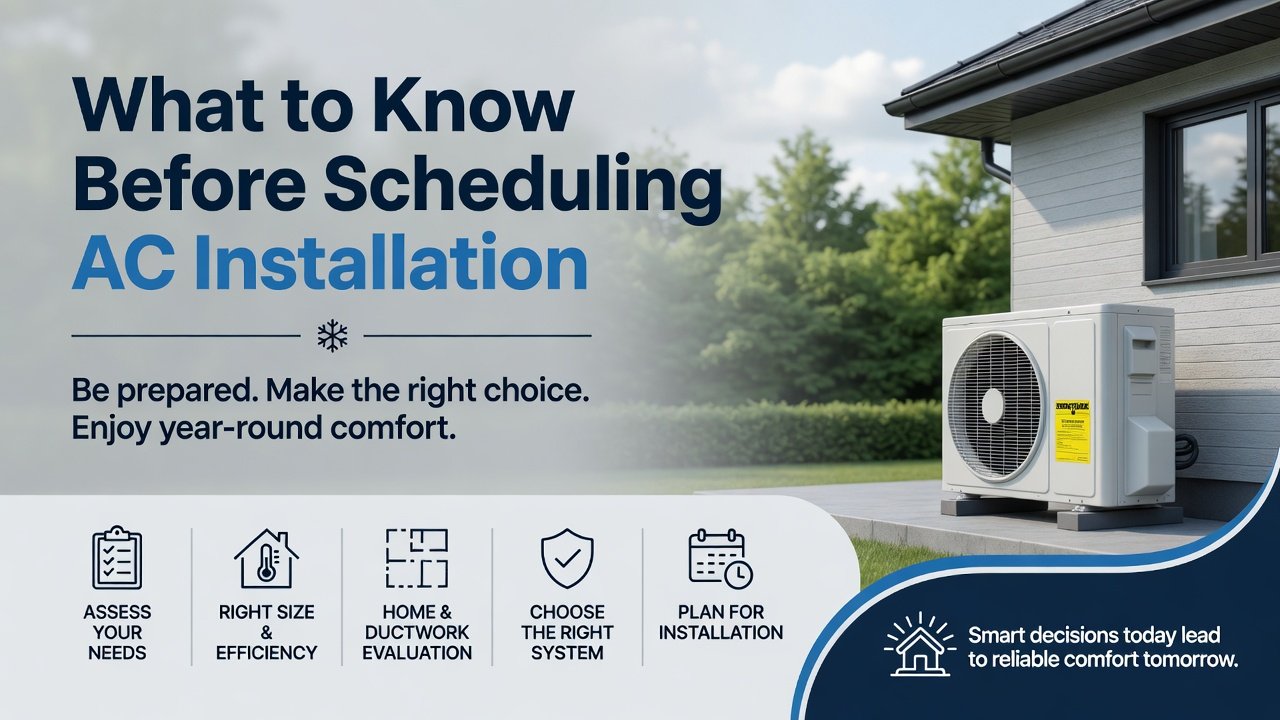
Before moving forward with an air conditioning installation, it is crucial to evaluate your home’s unique cooling requirements. Every home is different, and factors such as square footage, ceiling height, insulation quality, and the number of windows all play a role in determining the appropriate size and type of air conditioning unit. An undersized unit will struggle to cool your home efficiently, leading to higher energy bills and increased wear and tear. Conversely, an oversized unit may cool the space too quickly without properly dehumidifying the air, resulting in a less comfortable environment. Consulting with a reputable HVAC contractor can help you determine the correct capacity and features for your specific needs, ensuring optimal performance and comfort throughout the hottest months.
Evaluating your home’s infrastructure also involves looking at the efficiency of your insulation setup. Upgrading attic or wall insulation before a new system is put in helps keep cooled air indoors and reduces overall runtime. Partnering with a specialized provider like Insulation Commandos of Raleigh-Durham ensures that your home is adequately sealed, which maximizes the performance of your cooling equipment and lowers utility expenses.
Understanding Different AC System Options
There are several types of air conditioning systems available, each with its own advantages and considerations. Central air conditioning is a popular choice for whole-home cooling, offering consistent temperatures and improved air quality when paired with proper filtration. Ductless mini-split systems are ideal for homes without existing ductwork or for cooling specific zones, providing flexibility and energy savings. Window units and portable air conditioners are suitable for smaller spaces or temporary solutions but may not offer the same efficiency or comfort as permanent installations. When selecting a system, consider factors such as energy efficiency ratings, noise levels, maintenance requirements, and compatibility with your home’s existing infrastructure. Making an informed choice will help you enjoy reliable cooling and lower operating costs for years to come. For homeowners seeking a seamless and efficient upgrade, ac installation can be a straightforward process when you have the right information and support.
Preparing Your Home for Installation
Proper preparation can make a significant difference in the success and efficiency of your air conditioning installation. Start by clearing the area where the indoor and outdoor units will be placed, ensuring that technicians have easy access to all necessary spaces. Remove any furniture, decorations, or obstacles that could impede the installation process. It is also important to check that your electrical system can handle the new unit’s power requirements, as older homes may need upgrades to accommodate modern air conditioners. Discuss any potential modifications with your contractor ahead of time to avoid delays or additional expenses. Additionally, consider sealing windows and doors, adding insulation, and addressing any existing ductwork issues to maximize the performance of your new system. Taking these steps not only streamlines the installation but also helps your air conditioner operate more efficiently, saving you money on energy bills and reducing the likelihood of future repairs.
The Importance of Professional Installation
Choosing a qualified HVAC contractor for your air conditioning installation is essential for ensuring safety, efficiency, and long-term reliability. Professional installers are trained to handle complex wiring, refrigerant handling, and system calibration, all of which are critical for optimal performance. Attempting a do-it-yourself installation can lead to costly mistakes, voided warranties, and even safety hazards. A reputable contractor will also be familiar with local building codes and permit requirements, ensuring that your installation is compliant with all regulations. They can provide valuable guidance on system selection, placement, and maintenance, helping you avoid common pitfalls and maximize your investment. By entrusting the job to a skilled professional, you can have peace of mind knowing that your new air conditioning system will deliver consistent comfort and efficiency for years to come.
Maintenance Tips for Longevity
Once your new air conditioning system is installed, regular maintenance is key to keeping it running smoothly and efficiently. Simple tasks such as changing air filters, cleaning vents, and checking for leaks can prevent minor issues from becoming major problems. Schedule annual inspections with your HVAC contractor to ensure that all components are functioning properly and to address any wear and tear before it leads to breakdowns. Keeping the outdoor unit free of debris and ensuring proper airflow around the system can also extend its lifespan. Regular maintenance not only improves performance but also helps maintain your system’s warranty and reduces the risk of unexpected repairs. By staying proactive, you can enjoy reliable cooling and lower energy costs throughout the life of your air conditioner.
Energy Efficiency and Cost Savings
Energy efficiency is a major consideration when installing a new air conditioning system. Modern units are designed to use less energy while providing superior cooling, which can translate to significant savings on your utility bills. Look for systems with high SEER (Seasonal Energy Efficiency Ratio) ratings, as these are more efficient and environmentally friendly. Investing in a programmable thermostat can further enhance efficiency by allowing you to set cooling schedules that match your lifestyle. Proper installation and regular maintenance are also critical for maximizing energy savings, as even the most efficient unit will underperform if not installed or maintained correctly. Over time, the initial investment in a high-efficiency system can pay off through reduced operating costs and increased home comfort.
Common Questions About AC Installation
Many homeowners have questions about the air conditioning installation process, from how long it will take to what disruptions they can expect. Typically, a standard installation can be completed in one day, although more complex projects may require additional time. You may experience some noise and temporary inconvenience as technicians work, but most reputable contractors strive to minimize disruption to your daily routine. It is normal to have concerns about costs, warranties, and ongoing maintenance, so do not hesitate to ask your contractor for detailed information and written estimates. Understanding what to expect can help you feel more confident and prepared as you move forward with your new air conditioning system.
Conclusion
Scheduling an air conditioning installation is a significant step toward improving your home’s comfort and energy efficiency. By taking the time to assess your cooling needs, explore different system options, and prepare your home, you can ensure a smooth and successful installation process. Working with a qualified HVAC contractor and committing to regular maintenance will help you get the most out of your investment, providing reliable cooling for many years. With careful planning and attention to detail, you can enjoy a comfortable indoor environment and peace of mind throughout the hottest months of the year.
About the Author