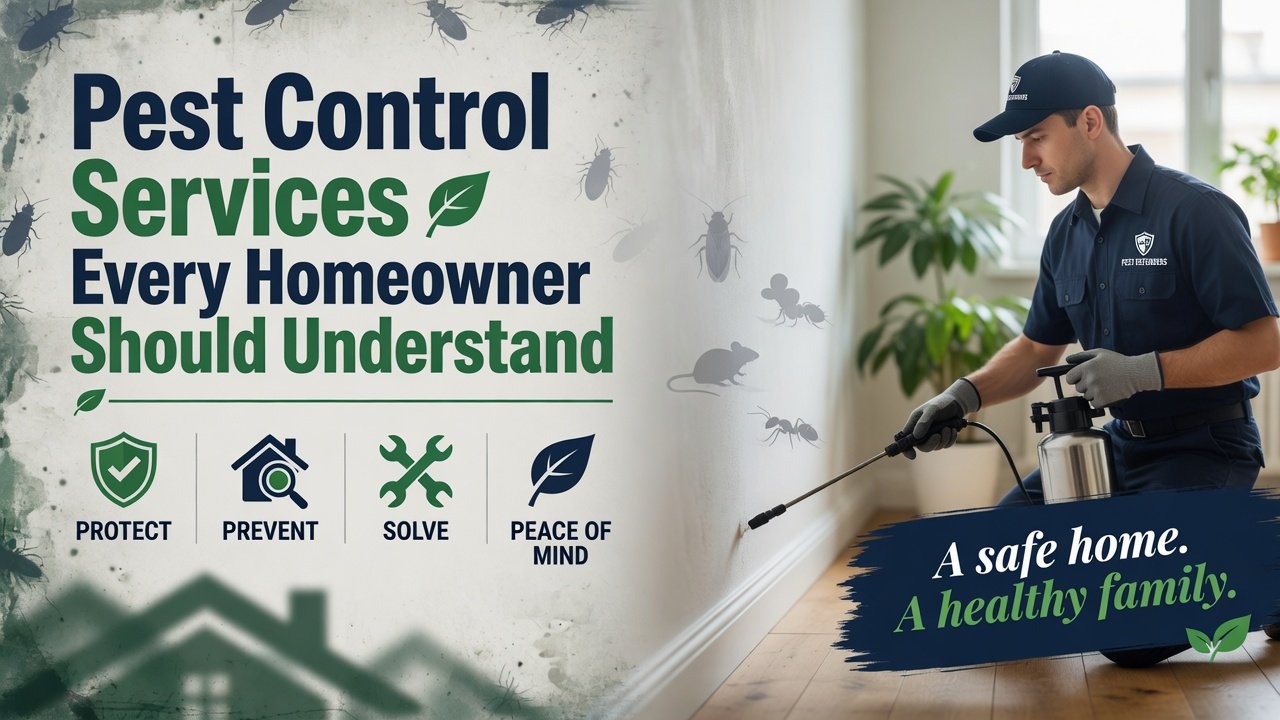
Every homeowner faces the challenge of keeping their living space free from unwanted pests. Whether it’s ants in the kitchen, spiders in the basement, or rodents in the attic, pests can cause discomfort, health concerns, and even property damage. Understanding the range of pest control services available is essential for maintaining a safe and comfortable home environment. From preventative treatments to targeted removal, knowing what options exist can help homeowners make informed decisions and respond quickly when issues arise. This guide covers the most important pest control services and what homeowners should know about each one.
What to Expect from Pest Control Services
The Importance of Regular Pest Inspections
Regular pest inspections are a crucial part of maintaining a healthy home. Many pests can go unnoticed for weeks or even months, causing damage behind walls, under floors, or in attics before homeowners realize there is a problem. Professional pest inspections involve a thorough examination of both the interior and exterior of a property, looking for signs of infestation, entry points, and conditions that may attract pests. These inspections can identify issues early, allowing for prompt treatment and minimizing the risk of extensive damage. Homeowners who schedule regular inspections are more likely to catch problems before they escalate, saving time, money, and stress in the long run. Inspections also provide valuable peace of mind, knowing that a trained eye has assessed the property for potential threats.
Common Types of Pest Control Treatments
Pest control treatments vary depending on the type of pest and the severity of the infestation. Chemical treatments are often used for insects such as ants, cockroaches, and termites, targeting nests and breeding sites to eliminate the problem at its source. For rodents, traps and bait stations are commonly employed to reduce populations and prevent further entry. Some services also offer eco-friendly or low-toxicity options for homeowners concerned about the impact of chemicals on their families or pets. Integrated pest management combines multiple strategies, such as habitat modification, exclusion techniques, and targeted treatments, to achieve long-term control. Homeowners seeking Pest control in Topeka can benefit from understanding these different approaches, as choosing the right method can make a significant difference in the effectiveness and safety of the treatment.
Preventative Measures for Long-Term Protection
Preventative pest control is just as important as treating existing infestations. Many companies offer ongoing maintenance plans that include regular inspections, barrier treatments, and recommendations for reducing attractants around the home. Sealing cracks and gaps, repairing screens, and maintaining landscaping can all help prevent pests from gaining access to the property. Moisture control is another key factor, as many pests are drawn to damp environments. By addressing these issues proactively, homeowners can reduce the likelihood of future infestations and maintain a healthier living space. Preventative measures are especially important in areas prone to certain pests, such as termites or rodents, where early intervention can prevent costly repairs and health risks.
Understanding Seasonal Pest Patterns
Pest activity often fluctuates with the seasons, making it important for homeowners to be aware of when certain pests are most likely to appear. In the spring and summer, ants, mosquitoes, and stinging insects become more active as temperatures rise. Fall often brings an increase in rodent activity as animals seek shelter from the cold, while winter can see pests like spiders and cockroaches moving indoors. Understanding these seasonal patterns allows homeowners to anticipate potential problems and schedule preventative treatments at the most effective times. Working with a pest control provider who understands local pest cycles can help ensure that treatments are timed for maximum impact, reducing the risk of infestations throughout the year.
The Value of Professional Advice
Professional pest control providers offer more than just treatments; they also provide valuable advice on how to make a home less attractive to pests. This guidance can include recommendations for home repairs, landscaping changes, and sanitation practices that reduce the risk of infestation. Homeowners who take advantage of this advice often find that they experience fewer pest problems over time. Professionals can also help identify unique risks based on the home’s location, construction, and surrounding environment, tailoring their recommendations to each situation. This personalized approach ensures that homeowners receive the most effective solutions for their specific needs.
Quick Response to Pest Emergencies
When a pest problem arises suddenly, a fast response is essential to prevent it from getting worse. Many pest control companies offer emergency services for situations such as wasp nests, rodent infestations, or sudden outbreaks of insects. Prompt action can minimize damage, reduce health risks, and restore comfort to the home. Homeowners should keep the contact information for a reliable pest control provider on hand so they can act quickly if an emergency occurs. Knowing what to expect during an emergency visit, such as inspection, treatment, and follow-up, can help reduce anxiety and ensure a smooth resolution to the problem.
Conclusion
Understanding the range of pest control services available empowers homeowners to protect their property and well-being. Regular inspections, targeted treatments, preventative measures, and professional advice all play a role in maintaining a pest-free home. By staying informed about seasonal pest patterns and knowing how to respond to emergencies, homeowners can address issues promptly and effectively. Investing in pest control services is not just about eliminating current problems but also about creating a healthier, more comfortable living environment for the future. With the right knowledge and support, every homeowner can take proactive steps to keep their home safe from unwanted pests.
About the Author