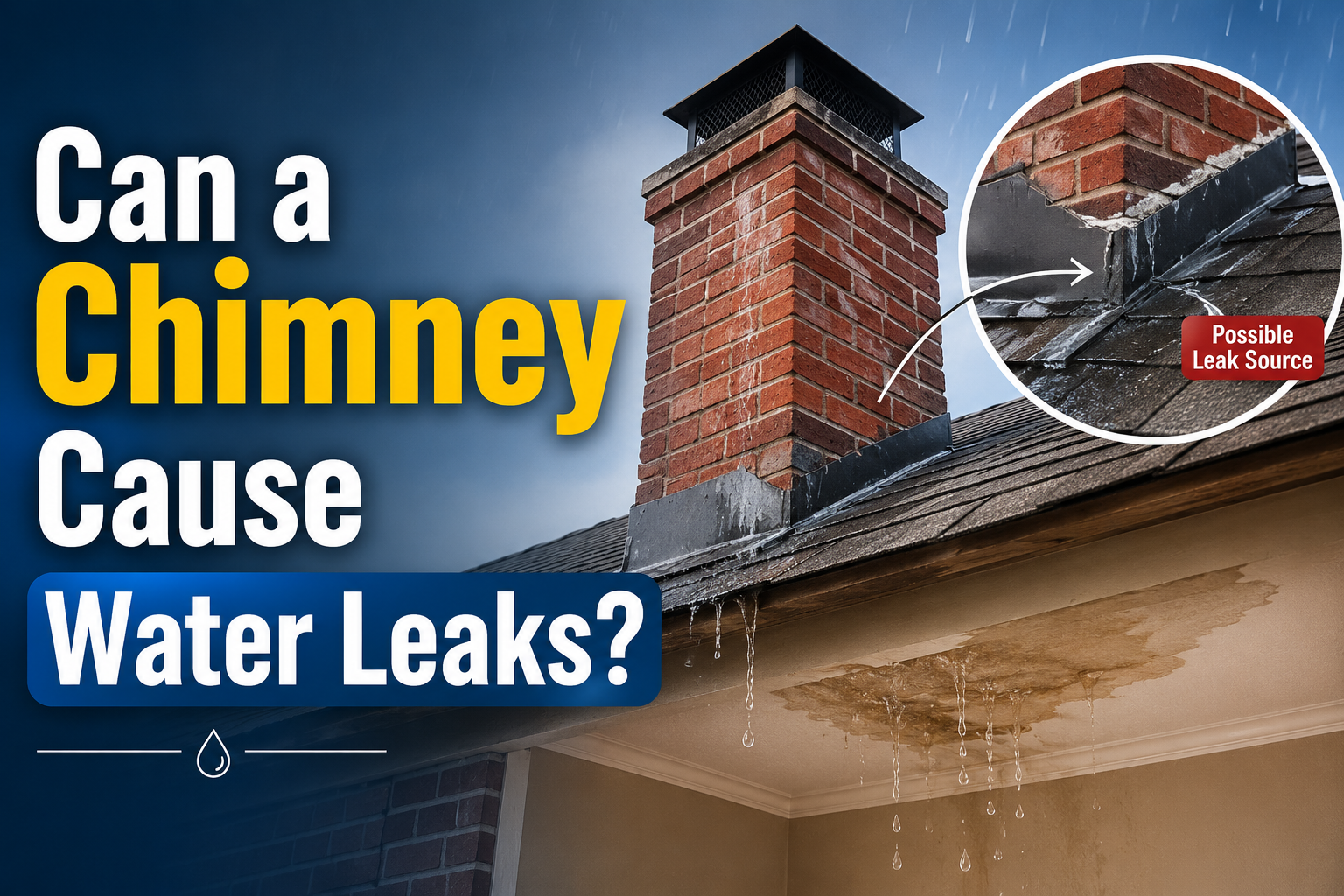
Chimneys are a common architectural feature in many homes, providing both functional and aesthetic value. However, homeowners often overlook the potential for chimneys to be a source of water leaks, which can lead to significant damage if not addressed promptly. Water intrusion around a chimney can cause issues such as stained ceilings, deteriorating masonry, and even structural problems within the home. Understanding how and why chimneys can cause water leaks is essential for maintaining the integrity of your property and avoiding costly repairs. This article examines the causes, signs, and solutions for chimney-related water leaks.
What to Expect About Chimney Leaks
How Chimneys Can Let Water In
Chimneys are exposed to the elements year-round, making them vulnerable to water infiltration. The design of a chimney, which often involves multiple materials such as brick, mortar, metal, and flashing, creates several potential entry points for water. Over time, weather conditions like rain, snow, and ice can wear down these materials, leading to cracks and gaps. Mortar joints may deteriorate, bricks can become porous, and flashing can loosen or corrode. When these vulnerabilities develop, water can seep through the smallest openings and travel into the home. This process is often gradual, making it difficult for homeowners to notice the problem until visible signs of water damage appear inside the house. Regular inspections and maintenance are crucial to catch these issues early and prevent extensive damage.
Common Signs of Chimney Water Leaks
Detecting a chimney water leak early can save homeowners from more severe problems down the line. Some of the most common signs include water stains on ceilings or walls near the chimney, peeling paint or wallpaper, and a musty odor in the affected area. In some cases, you might notice dampness or puddles in the fireplace itself, especially after heavy rain. Efflorescence, which appears as a white, powdery residue on the chimney’s exterior, is another indicator of moisture intrusion. Over time, unchecked leaks can lead to mold growth, wood rot, and even compromise the structural integrity of the chimney and surrounding areas. If you observe any of these warning signs, it is important to address the issue promptly to avoid further damage and costly repairs. Homeowners in the area often turn to a Roofing Company Montgomery AL for professional assessment and repair when these symptoms arise.
Causes of Chimney Water Leaks
Several factors can contribute to water leaks around a chimney. One of the most common causes is damaged or improperly installed flashing, which is the metal barrier that seals the joint between the chimney and the roof. If the flashing is bent, rusted, or missing, water can easily find its way into the home. Cracked or deteriorated mortar joints also allow moisture to penetrate the chimney structure. Additionally, the chimney crown, which is the concrete or mortar cap at the top of the chimney, can crack over time due to weather exposure, creating another entry point for water. Poorly fitted or missing chimney caps can allow rainwater to enter directly into the flue. In some cases, the bricks themselves may become saturated with water, especially if they are old or of low quality. Each of these issues requires a different approach to repair, but all can lead to significant water damage if left unaddressed.
Preventing Chimney Leaks
Preventing chimney leaks involves a combination of regular maintenance, timely repairs, and proper installation of protective components. Homeowners should schedule annual chimney inspections to check for signs of wear and tear, such as cracked mortar, damaged flashing, or missing chimney caps. Waterproofing treatments can be applied to the exterior masonry to reduce water absorption without trapping moisture inside the bricks. Ensuring that the chimney crown is in good condition and that the flashing is securely fastened will go a long way in keeping water out. It is also important to keep gutters and downspouts clear of debris, as clogged drainage systems can cause water to pool around the chimney base. By taking these preventive measures, homeowners can significantly reduce the risk of water leaks and extend the life of their chimney and roof.
The Role of Professional Inspections
A professional chimney inspection is a valuable investment for any homeowner concerned about water leaks. Trained inspectors have the knowledge and tools to identify potential problem areas that may not be visible to the untrained eye. They can assess the condition of the chimney structure, flashing, crown, and cap, as well as check for signs of moisture intrusion inside the home. Early detection of issues allows for prompt repairs, which can prevent more extensive and expensive damage in the future. Professional inspections are especially important after severe weather events or if you notice any signs of water damage near your chimney. By relying on a qualified inspector, you can ensure that your chimney remains safe, functional, and watertight.
Quick Facts About Chimney Leaks
Chimney leaks can occur even in newer homes if flashing or caps are not installed correctly. Regular maintenance and inspections are the most effective ways to prevent water damage. Addressing small issues early can save significant repair costs and protect your home’s structure.
Repairing Chimney Water Leaks
When a chimney leak is discovered, prompt action is necessary to prevent further damage. The first step is to identify the source of the leak, which may involve a thorough inspection of the chimney, roof, and attic. Once the problem area is located, repairs can range from resealing or replacing flashing to repointing mortar joints or installing a new chimney cap. In some cases, damaged bricks or the chimney crown may need to be repaired or replaced. Waterproofing treatments can also be applied to the exterior masonry to provide an additional layer of protection. It is important to use high-quality materials and proper techniques to ensure a long-lasting repair. Homeowners should avoid temporary fixes, as these can allow water to continue seeping in and cause more extensive damage over time. Professional repair services can provide a comprehensive solution that addresses both the immediate leak and any underlying issues.
Conclusion
Chimney water leaks are a common but often overlooked problem that can lead to significant damage if not addressed promptly. Understanding the causes and warning signs of chimney leaks is essential for maintaining the safety and value of your home. Regular inspections, timely repairs, and preventive maintenance are key strategies for keeping your chimney and roof in good condition. By taking proactive steps to protect your chimney from water intrusion, you can avoid costly repairs and ensure the long-term integrity of your property. If you suspect a chimney leak, do not hesitate to seek professional help to diagnose and resolve the issue before it leads to more serious problems.
About the Author