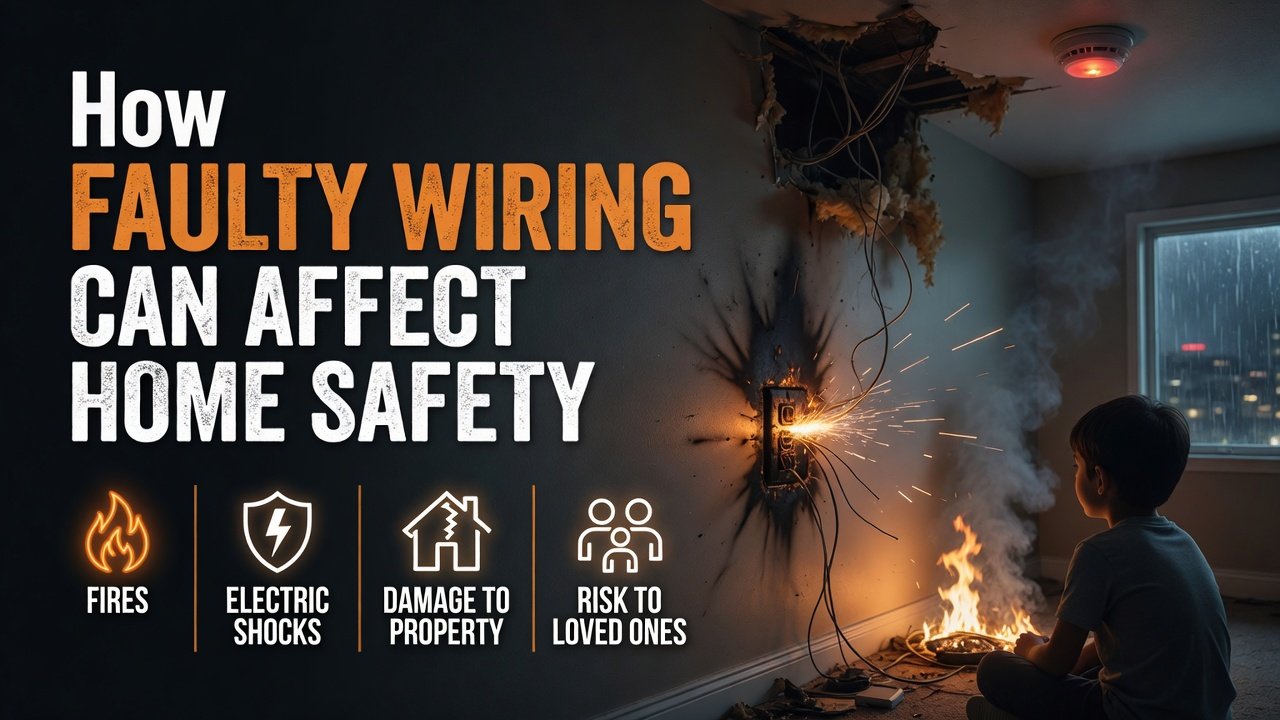
Faulty wiring is a hidden danger that can compromise the safety and comfort of any home. Many homeowners are unaware of the risks that outdated, damaged, or improperly installed electrical systems can pose. From increasing the likelihood of electrical fires to causing frequent power outages and damaging appliances, the consequences of neglected wiring are far-reaching. Understanding how faulty wiring affects home safety is crucial for anyone looking to protect their property and loved ones. By recognizing the warning signs and knowing when to seek professional help, homeowners can take proactive steps to ensure their electrical systems remain safe and reliable.
What to Expect from Faulty Wiring
Common Signs of Faulty Wiring
Recognizing the signs of faulty wiring is essential for maintaining a safe living environment. One of the most noticeable indicators is frequent circuit breaker trips, which suggest that the electrical system is overloaded or experiencing short circuits. Flickering or dimming lights, especially when using multiple appliances, can also point to underlying wiring issues. Unusual buzzing sounds coming from outlets or switches, as well as burning smells, are serious warning signs that should never be ignored. Discolored or warm outlets and switches may indicate that wires are overheating, which can quickly escalate into a fire hazard. Homeowners might also notice that certain appliances or devices do not function properly or that outlets stop working altogether. These symptoms often develop gradually, making it easy to overlook them until a more severe problem arises. Regularly inspecting your home for these signs and addressing them promptly can prevent more significant issues and keep your household safe.
The Dangers of Electrical Fires
Faulty wiring is one of the leading causes of residential electrical fires, posing a significant threat to both property and personal safety. When wires are damaged, frayed, or improperly connected, they can generate excessive heat, which may ignite surrounding materials such as insulation, wood, or drywall. Electrical fires often start behind walls or in attics, making them difficult to detect until they have already caused substantial damage. In many cases, these fires spread rapidly, fueled by the hidden nature of the wiring and the flammable materials nearby. Homeowners may not realize the extent of the danger until it is too late, as early warning signs like tripped breakers or flickering lights are sometimes dismissed as minor inconveniences. For those considering upgrades or new projects, such as lighting installation in Eagle Mountain UT, ensuring that all wiring is up to code and professionally installed is vital for preventing these potentially devastating incidents. Taking proactive measures to address faulty wiring can significantly reduce the risk of electrical fires and protect your home and family.
Impact on Home Appliances and Electronics
Faulty wiring does not only threaten the structural safety of a home; it can also have a detrimental effect on appliances and electronic devices. When wiring is compromised, it can cause inconsistent power delivery, resulting in voltage fluctuations that may damage sensitive equipment. Appliances such as refrigerators, washing machines, and computers are particularly vulnerable to power surges and drops, which can shorten their lifespan or render them inoperable. In some cases, faulty wiring can cause appliances to overheat, increasing the risk of electrical shock or fire. Homeowners may notice that their devices frequently malfunction, reset, or fail to turn on, which can be both frustrating and costly. Replacing damaged appliances can quickly become expensive, especially if the underlying wiring issues are not addressed. Ensuring that your home’s electrical system is in good condition is essential for protecting your investment in appliances and electronics, as well as maintaining the overall functionality of your household.
The Importance of Regular Electrical Inspections
Regular electrical inspections are a key component of maintaining home safety, especially in older properties or homes that have undergone renovations. During an inspection, a licensed electrician will assess the condition of the wiring, outlets, switches, and electrical panels to identify any potential hazards. This process can uncover hidden problems such as outdated wiring, loose connections, or overloaded circuits that may not be immediately apparent to homeowners. Inspections are particularly important after major storms, flooding, or pest infestations, as these events can damage wiring and increase the risk of electrical issues. By scheduling routine inspections, homeowners can catch problems early and make necessary repairs before they escalate into more serious safety concerns. This proactive approach not only helps prevent electrical fires and appliance damage but also ensures that the home remains compliant with local building codes and insurance requirements. Investing in regular inspections is a practical step toward safeguarding your property and the well-being of everyone who lives there.
When to Call a Professional
Knowing when to call a professional electrician is crucial for addressing faulty wiring and maintaining a safe home environment. If you notice persistent issues such as frequent breaker trips, flickering lights, or outlets that feel warm to the touch, it is important to seek professional help immediately. Attempting to fix electrical problems without proper training can be dangerous and may result in further damage or injury. Licensed electricians have the knowledge and tools to diagnose and repair wiring issues safely and efficiently. They can also provide valuable advice on upgrading outdated systems, installing new circuits, or improving overall electrical safety. In addition to addressing immediate concerns, professionals can help homeowners plan for future needs, such as adding new appliances or expanding living spaces. By relying on qualified electricians, you can ensure that all work is performed to code and that your home remains a safe place for your family.
Upgrading Old Wiring
Older homes often have wiring that does not meet modern safety standards, increasing the risk of electrical problems. Upgrading old wiring is an important step in protecting your home from hazards such as electrical fires, power outages, and appliance damage. Modern wiring materials and installation techniques are designed to handle the electrical demands of today’s households, which often include numerous high-powered devices and appliances. Replacing outdated wiring can also improve energy efficiency and reduce the likelihood of unexpected repairs. Homeowners should consider upgrading their wiring if their home is more than a few decades old, especially if they have experienced recurring electrical issues. The process typically involves removing old wires, installing new ones, and updating outlets, switches, and panels as needed. While this can be a significant investment, the benefits in terms of safety, reliability, and peace of mind are well worth it. Consulting with a licensed electrician can help determine the scope of the upgrade and ensure that all work is completed safely and efficiently.
Electrical Safety Tips for Homeowners
Maintaining electrical safety in the home requires ongoing attention and care. Homeowners should avoid overloading outlets and extension cords, as this can lead to overheating and increase the risk of fire. It is important to use appliances and devices according to manufacturer instructions and to unplug them when not in use. Regularly checking outlets, switches, and cords for signs of wear or damage can help catch problems early. Installing smoke detectors and carbon monoxide alarms in key areas of the home provides an added layer of protection in case of electrical fires. Keeping flammable materials away from electrical sources and ensuring that all electrical work is performed by a licensed professional are also essential safety measures. By following these simple guidelines, homeowners can reduce the risk of electrical accidents and create a safer living environment for themselves and their families.
Conclusion
Faulty wiring is a serious issue that can have far-reaching consequences for home safety, from increasing the risk of electrical fires to damaging valuable appliances and electronics. Recognizing the warning signs and understanding the potential dangers are essential steps for every homeowner. Regular electrical inspections, timely upgrades, and professional repairs are all critical in maintaining a safe and reliable electrical system. By staying vigilant and addressing wiring issues promptly, homeowners can protect their property, ensure the well-being of their loved ones, and enjoy greater peace of mind. Taking these precautions not only safeguards your home but also contributes to a safer community overall.
About the Author