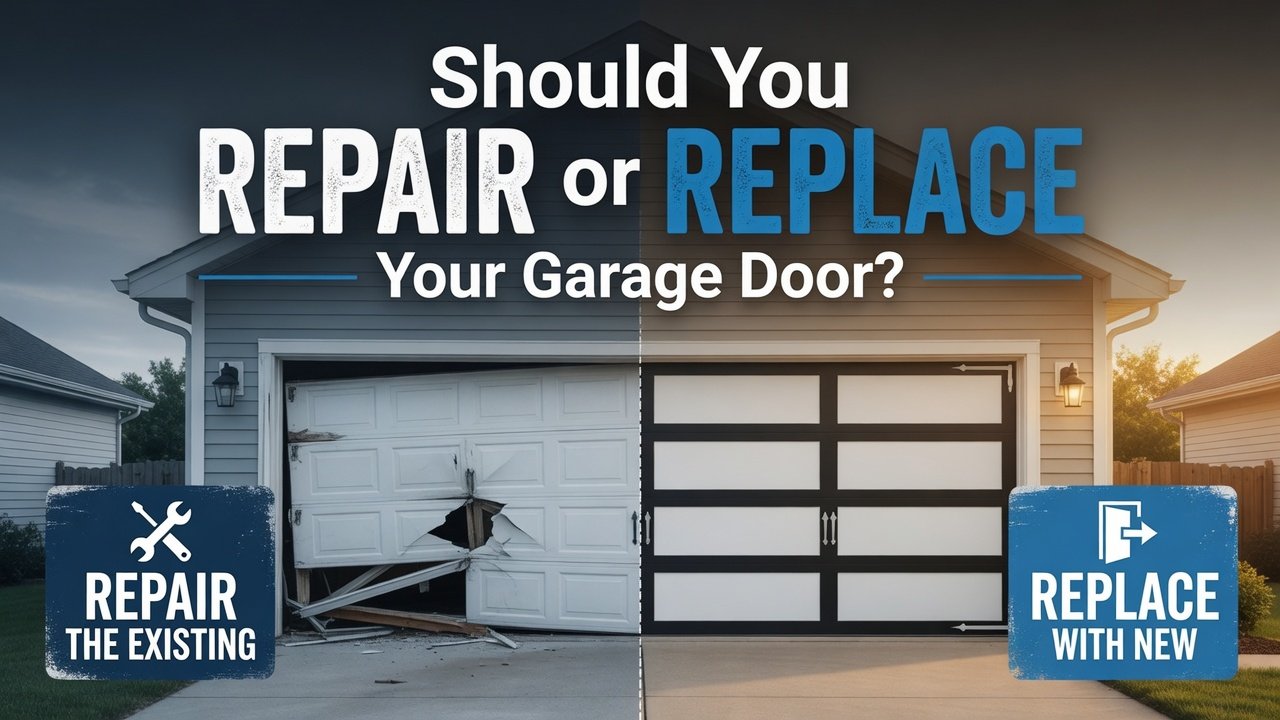
Your garage door is one of the most important features of your home, providing security, convenience, and curb appeal. Over time, however, wear and tear can cause it to malfunction or look outdated. When issues arise, homeowners often face the decision of whether to repair or replace their garage door. This choice can impact your home’s safety, energy efficiency, and overall value. Understanding the factors that influence this decision is crucial for making the right choice for your property and budget. Let’s examine the key considerations to help you determine the best course of action for your garage door.
What to Expect When Deciding
Common Signs Your Garage Door Needs Attention
Garage doors are built to last, but daily use and exposure to the elements can lead to a variety of problems. Some of the most common signs that your garage door needs attention include unusual noises, slow or uneven movement, and visible damage to panels or hardware. If your door is making grinding, squeaking, or banging sounds, it could indicate issues with the springs, rollers, or tracks. Slow response times or jerky movements may point to problems with the opener or alignment. Visible dents, cracks, or warping in the panels not only affect the appearance of your home but can also compromise the door’s structural integrity. Ignoring these warning signs can lead to more serious issues down the road, potentially resulting in costly repairs or even complete failure of the door system. Addressing problems early can help extend the life of your garage door and ensure it continues to operate safely and efficiently.
Repairing Your Garage Door: When Is It Enough?
In many cases, repairing your garage door is a practical and cost-effective solution. Minor issues such as broken springs, frayed cables, or misaligned tracks can often be fixed quickly by a professional. If your garage door is relatively new and the damage is limited to one or two components, repair is usually the preferred option. For example, replacing a damaged panel or fixing a malfunctioning opener can restore your door’s functionality without the expense of a full replacement. Homeowners in Wichita looking for reliable service can turn to Expert Garage Door Repair in wichita for prompt and effective solutions. Regular maintenance, such as lubricating moving parts and tightening hardware, can also prevent small problems from escalating. However, it’s important to recognize when repairs are no longer sufficient. If your garage door requires frequent fixes or if the same issues keep recurring, it may be time to consider a replacement. Weighing the cost of ongoing repairs against the investment in a new door can help you make an informed decision.
When Replacement Is the Better Choice
There are situations where replacing your garage door is the smarter long-term investment. If your door is more than 15 to 20 years old, it may be nearing the end of its lifespan. Older doors often lack modern safety features and may not provide adequate insulation, leading to higher energy bills and reduced comfort in your home. Extensive damage, such as large cracks, severe warping, or widespread rust, can compromise the door’s structural integrity and pose safety risks. In these cases, repairs may only offer a temporary fix, and replacement becomes the more practical solution. Upgrading to a new garage door can also enhance your home’s curb appeal and increase its resale value. Modern doors come in a variety of styles and materials, allowing you to choose an option that complements your home’s architecture and meets your specific needs. Additionally, new garage doors are designed with improved security features and better insulation, providing greater peace of mind and energy efficiency.
The Cost Factor: Repair vs. Replacement
Cost is often a major consideration when deciding between repairing and replacing your garage door. Repairs are generally less expensive in the short term, especially for minor issues like replacing springs or cables. However, if your door requires multiple repairs over a short period, the costs can quickly add up. On the other hand, replacing your garage door involves a higher upfront investment but can save you money in the long run by reducing the need for frequent repairs and improving energy efficiency. It’s important to get a professional assessment to determine the extent of the damage and the estimated costs for both options. Consider the age of your door, the frequency of repairs, and the potential benefits of upgrading to a newer model. By weighing these factors, you can make a decision that aligns with your budget and long-term goals for your home.
Benefits of a New Garage Door
A new garage door offers several advantages beyond just improved appearance. Modern doors are designed with advanced safety features, such as pinch-resistant panels and automatic reversal systems, which help protect your family and pets. Enhanced insulation can make your garage more comfortable year-round and lower your energy bills by keeping out extreme temperatures. New doors also tend to operate more quietly and smoothly, reducing noise and wear on the opener. With a wide range of styles, colors, and materials available, you can choose a door that enhances your home’s curb appeal and complements its architectural style. Additionally, many new garage doors come with warranties that provide added peace of mind and protection against defects. Investing in a new door can also increase your home’s resale value, making it a smart choice if you’re planning to sell in the future.
Quick Tips for Garage Door Maintenance
Regular maintenance is key to extending the life of your garage door and preventing costly repairs. Simple tasks like lubricating moving parts, checking the balance, and inspecting the weatherstripping can make a big difference. Keeping the tracks clean and ensuring the sensors are aligned will help your door operate smoothly and safely. Scheduling annual inspections with a professional can catch potential issues early and keep your garage door in top condition.
Conclusion
Deciding whether to repair or replace your garage door depends on several factors, including the age of the door, the extent of the damage, and your long-term goals for your home. While repairs can address minor issues and extend the life of your door, replacement may be the better option for older doors or those with significant damage. Upgrading to a new garage door can improve your home’s security, energy efficiency, and curb appeal, making it a worthwhile investment. By carefully evaluating your options and consulting with a trusted professional, you can ensure your garage door continues to provide reliable performance and enhance the value of your property for years to come.
About the Author