Signature: CK/mNRvwlMIMTPtWVAEhKK6rp2kJ/VPgFz5dxj3cf+HHWgXXkDK0DzihCI+Ks4a2P5hFE5zZwgbsnjcf1D8mmt7R62ESoMZ/Cc94kji0gZ/GXxJDarzykB+Waijgz74OVPi/J7eeN5cClTNc5KtjsPBS6S1J5DhOu9dPyuTHF/eJFalbuaC1T02mG28pJGvEyHl7tKm/ziI7lkRRKRSVPmvAIW+flrn6UjcLnjqiWDN+VK5WZ0nQQ3Fuax0IrFk03YQn6VbVKipPSAtJBKuU28m1HhPD4W4EGX/jcGuy9Uo=
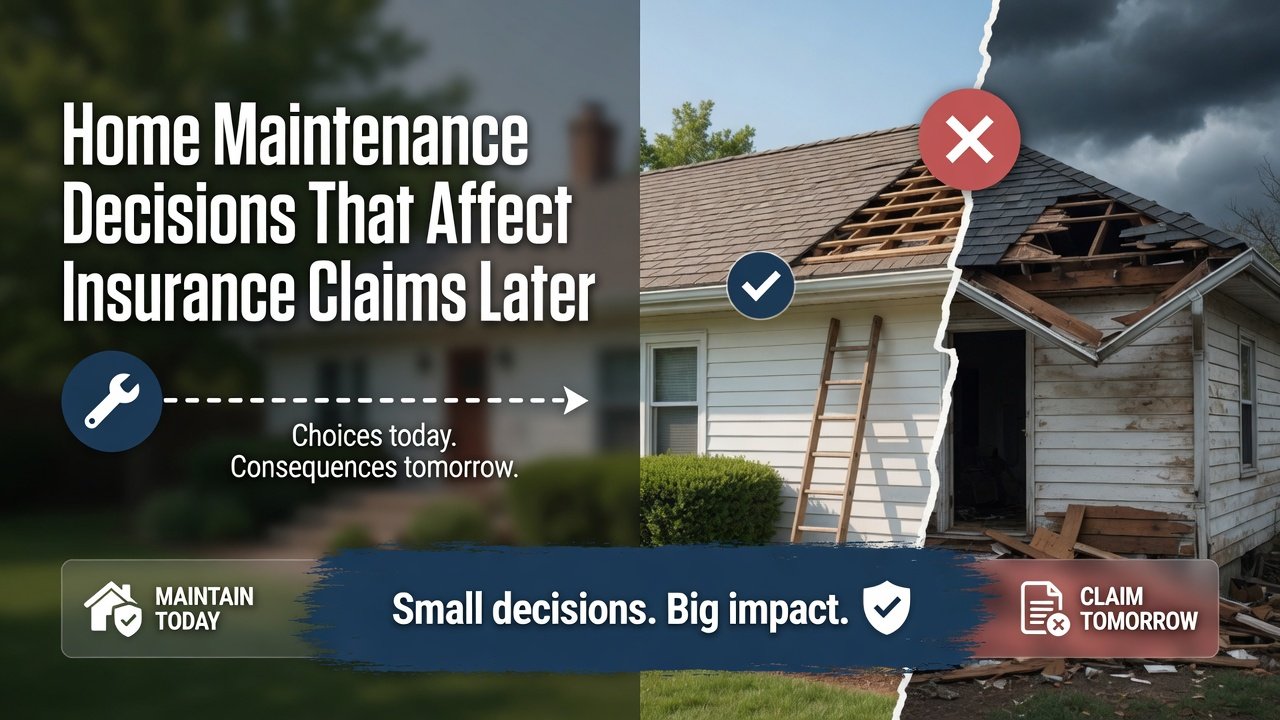
Homeowners often focus on the immediate comfort and appearance of their property, but the decisions made during routine maintenance can have far-reaching effects, especially when it comes to insurance claims. Overlooking small repairs or choosing quick fixes may seem harmless at first, but these choices can complicate or even invalidate future claims. Insurance companies frequently assess the condition and upkeep of a home when processing claims, and evidence of neglect or improper maintenance can lead to reduced payouts or outright denials. Understanding how everyday maintenance decisions impact insurance outcomes is crucial for protecting both your home and your financial security.
How Maintenance Choices Impact Claims
The Role of Roof Maintenance in Insurance Outcomes
Roof maintenance is one of the most significant factors influencing the outcome of insurance claims related to weather damage, leaks, or structural issues. Insurance adjusters often inspect the roof first when evaluating a claim, looking for signs of wear, missing shingles, or water intrusion. If a roof is found to be in poor condition due to neglect, insurers may argue that the homeowner failed to uphold their responsibility to maintain the property, which can result in a denied or reduced claim. Regular inspections, timely repairs, and proper documentation of maintenance work are essential. Homeowners who invest in quality materials and professional installation are more likely to have their claims honored, as insurers can see that reasonable steps were taken to prevent foreseeable damage. Neglecting roof maintenance, on the other hand, can be a costly mistake that undermines the value of your insurance policy.
Gutter Systems and Water Damage Claims
Gutter systems play a critical role in directing water away from a home’s foundation, siding, and landscaping. When gutters are clogged, damaged, or improperly installed, water can overflow and seep into areas where it causes rot, mold, and structural damage. Insurance companies often scrutinize water damage claims to determine whether the homeowner took reasonable steps to prevent the problem. For example, a claim for basement flooding or foundation cracks may be denied if there is evidence that gutters were not cleaned or maintained. In regions like Ashland, where seasonal storms are common, a proper gutter install in ashland can make a significant difference in preventing water-related issues. Homeowners who prioritize gutter maintenance and invest in quality systems are better positioned to have their claims approved, as they can demonstrate proactive care for their property.
HVAC Maintenance and Fire Risk
Heating, ventilation, and air conditioning systems require regular maintenance to operate safely and efficiently. Neglecting HVAC upkeep can increase the risk of fire, carbon monoxide leaks, and other hazards that may lead to insurance claims. Insurers often request maintenance records when processing claims related to fire or smoke damage, especially if the source is traced back to a furnace, boiler, or air conditioning unit. Homeowners who schedule annual inspections, replace filters, and address minor issues promptly are less likely to experience catastrophic failures. In contrast, those who ignore warning signs or delay repairs may find their claims questioned or denied. Insurance companies expect homeowners to take reasonable precautions to prevent loss, and HVAC maintenance is a key part of that responsibility. Proper documentation of service visits and repairs can be invaluable if a claim arises, as it shows a clear commitment to safety and upkeep.
Regular checks can catch small malfunctions before they result in sudden breakdowns or expensive home emergencies. Keeping detailed records of your regular maintenance and professional hvac tune-ups helps verify that the systems were well cared for before any incident occurred, making the overall insurance claim process smoother.
Regular heating and cooling checks contribute to this necessary record keeping while keeping systems running reliably throughout the year. For property owners managing coastal properties, scheduling consistent tune-ups with a professional technician in Wilmington, NC helps limit unexpected system failures and verifies that your heating and cooling equipment functions safely according to strict insurer expectations
Staying proactive with seasonal checkups is a straightforward way to keep these systems working properly throughout the year. Homeowners can Learn more about maintaining their heating and cooling units by consulting professional technicians who specialize in system efficiency and early hazard detection. Regularly addressing wear and tear supports long-term equipment performance and protects against sudden breakdowns.
Quick Decisions That Have Lasting Effects
Some maintenance decisions, such as patching a small leak or ignoring a minor crack, may seem insignificant at the time but can have lasting consequences. Insurance adjusters look for patterns of neglect or deferred maintenance when evaluating claims, and even small oversights can be used to justify a denial. Homeowners should be aware that every maintenance choice, no matter how minor, contributes to the overall condition of the property and the likelihood of a successful claim. Taking the time to address issues promptly and thoroughly can prevent larger problems and protect your insurance coverage.
Landscaping and Exterior Maintenance
The condition of a home’s exterior and landscaping can also influence insurance claims, particularly those related to storm damage, flooding, or liability. Overgrown trees and shrubs can pose a risk to the structure, especially during high winds or heavy snow. Branches that fall and damage the roof or siding may not be covered if the insurer determines that the trees were not properly maintained. Similarly, poor grading or inadequate drainage can lead to water pooling around the foundation, increasing the risk of basement flooding. Insurance companies may deny claims if they find that landscaping contributed to the damage. Regular trimming, proper grading, and attention to drainage are all important aspects of exterior maintenance that can help ensure claims are processed smoothly. Homeowners who invest in these areas demonstrate a commitment to property care, which insurers view favorably.
The Importance of Documentation
Maintaining thorough records of all home maintenance activities is essential for supporting insurance claims. Receipts, photographs, and service reports provide evidence that the homeowner has taken reasonable steps to care for the property. In the event of a claim, this documentation can make the difference between approval and denial. Insurance adjusters rely on clear, dated records to verify the condition of the home before the loss occurred and to assess whether proper maintenance was performed. Homeowners should keep a dedicated file for all maintenance-related documents and update it regularly. This simple habit can save time and frustration if a claim ever needs to be filed, as it provides a clear history of responsible property management.
Conclusion
Home maintenance decisions have a direct and lasting impact on the outcome of insurance claims. From roof repairs and gutter installations to HVAC servicing and landscaping, every choice contributes to the overall condition of the property and the likelihood of a successful claim. Insurance companies expect homeowners to take reasonable steps to prevent damage and maintain their homes, and failure to do so can result in denied or reduced payouts. By prioritizing regular maintenance, addressing issues promptly, and keeping thorough documentation, homeowners can protect both their property and their financial interests. Taking a proactive approach to home care not only preserves the value of the home but also ensures that insurance coverage remains reliable when it is needed most.
About the Author